
Category: Uncategorized

  • A New Era in Breast Aesthetics: The Natural Look Trend

    A New Era in Breast Aesthetics: The Natural Look Trend

    A New Era in Breast Aesthetics: The Natural Look Trend


    Breast augmentation has long been a popular procedure among women seeking to enhance their body image. In recent years, however, there has been a noticeable shift from large, artificial-looking implants to results that are natural, proportionate, and harmonious with the body. This new trend reflects both aesthetic preferences and functional comfort.


    Why Is the Natural Look Preferred?


    • Today’s patients seek subtle enhancements that blend seamlessly with their body contour.
    • Natural-looking breasts offer greater ease in clothing, improved comfort in daily life, and a more cohesive aesthetic appearance.
    • Psychologically, a natural appearance aligns better with self-perception, resulting in higher long-term satisfaction.


    Techniques for a Natural Appearance:


    • Moderate-sized, anatomical (teardrop-shaped) implants
    • Fat transfer (lipofilling): Injecting the patient’s own fat into the breast tissue
    • Minimally invasive surgical techniques
    • Breast reduction or lift: To achieve a balanced, natural form


    Who Is a Good Candidate?


    • Individuals seeking enhancement without exaggerated volume
    • Patients who have lost breast volume due to pregnancy or weight loss
    • Those wishing to replace their current implants with smaller, more natural ones


    In modern aesthetic surgery, natural beauty is not a passing trend—it reflects a sustainable and individualized approach to body enhancement. Personalized surgical planning is key to achieving a result that aligns with both the patient’s anatomy and expectations.


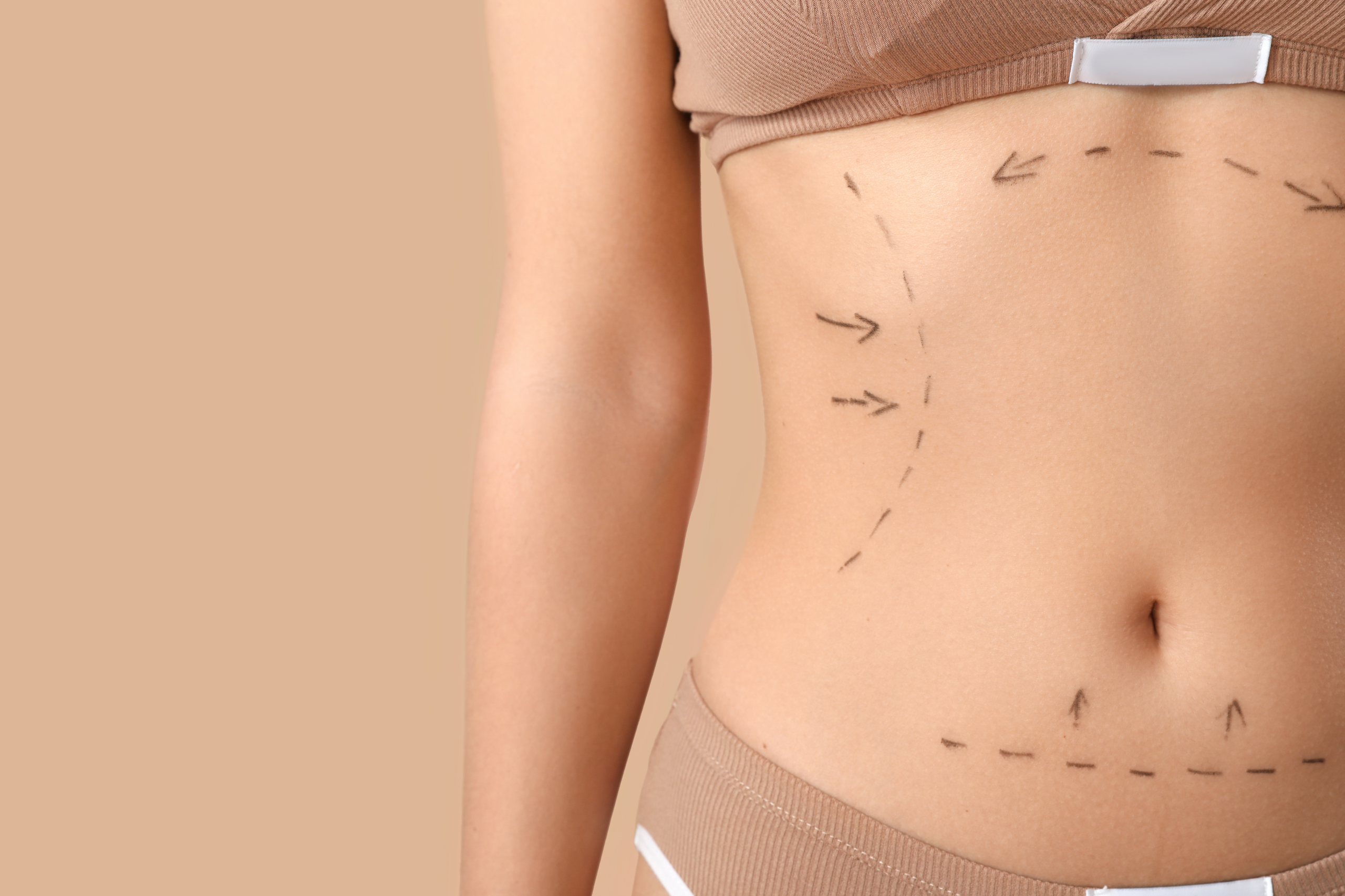
  • Mini Tummy Tuck vs. Full Abdominoplasty: Which One Is Right for You?

    Mini Tummy Tuck vs. Full Abdominoplasty: Which One Is Right for You?

    Mini Tummy Tuck vs. Full Abdominoplasty: Which One Is Right for You?


    Sagging and loose skin in the abdominal area—often due to pregnancy, significant weight loss, or aging—can affect body image and self-confidence. There are two primary surgical options to address this: Mini Tummy Tuck and Full Abdominoplasty. But which one suits your needs?


    What Is a Mini Tummy Tuck?


    Mini abdominoplasty targets mild sagging or laxity below the belly button. It’s a less invasive procedure compared to the full version.

    • Involves a shorter incision
    • Belly button remains in place
    • Ideal for patients with mild lower abdominal laxity
    • Shorter recovery time (1–2 weeks)


    What Is a Full Abdominoplasty?


    Full tummy tuck addresses both upper and lower abdomen, removing excess skin, fat, and tightening abdominal muscles if needed.

    • Belly button is repositioned
    • More extensive tissue removal and contouring
    • Ideal for post-pregnancy patients or those with significant sagging
    • Recovery time is longer (2–4 weeks


    Comparison Overview:


    Factor

    Mini Tummy Tuck

    Full Abdominoplasty

    Area treated

    Below belly button only

    Entire abdominal wall

    Incision length

    Short

    Longer

    Recovery time

    Shorter

    Longer

    Aesthetic outcome

    Moderate

    More dramatic

    Suitable after pregnancy

    Generally not

    Yes


    Each patient’s anatomy and expectations are unique. A thorough consultation with a board-certified plastic surgeon is essential for the most appropriate treatment plan.

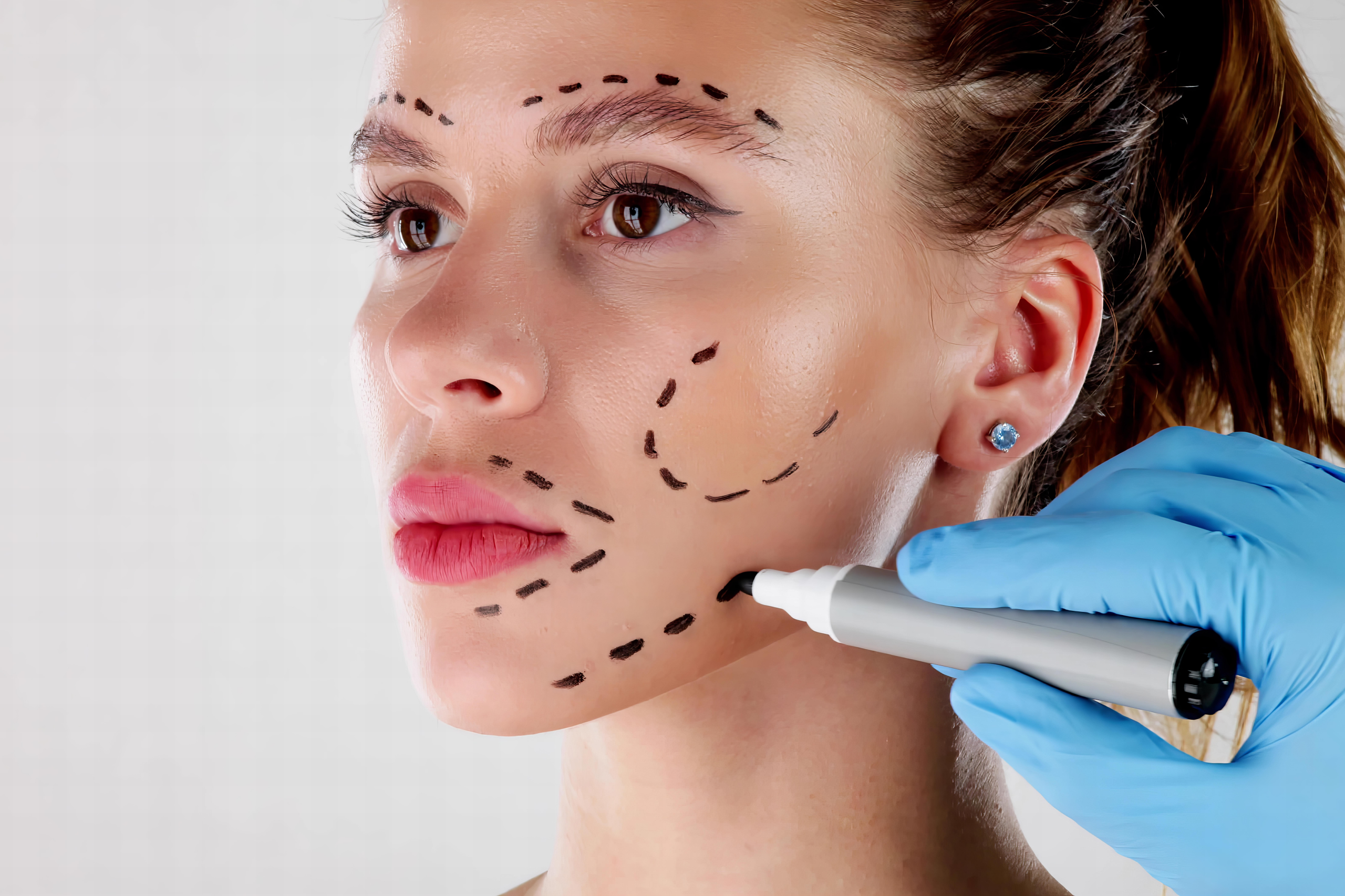
  • Facelift or Fillers: Which One Is Right for You?

    Facelift or Fillers: Which One Is Right for You?

    Facelift or Fillers: Which One Is Right for You?


    As the skin ages, it loses elasticity and volume, leading to wrinkles and sagging. Aesthetic medicine offers both surgical and non-surgical options to address these changes. But which is more suitable for you: a facelift or dermal fillers?

    What Is a Facelift?


    A facelift is a surgical procedure aimed at lifting and tightening sagging skin and underlying muscles. Excess skin is removed, and deeper layers are repositioned for a younger, firmer appearance.

    • Provides long-lasting, dramatic results
    • Best suited for individuals over 50
    • Performed under general anesthesia
    • Requires a few weeks for recovery

    What Are Dermal Fillers?


    Dermal fillers involve the injection of substances—typically hyaluronic acid—into the skin to restore volume and smooth lines. Common areas include the cheeks, lips, nasolabial folds, and under-eye hollows.

    • Quick procedure with minimal downtime
    • Results last 6 to 18 months
    • Preferred by patients aged 30–50
    • Non-surgical, but may need periodic touch-ups
  • What You Should Know About Brazilian Butt Lift (BBL)

    What You Should Know About Brazilian Butt Lift (BBL)

    What You Should Know About Brazilian Butt Lift (BBL)


    The Brazilian Butt Lift (BBL) is a cosmetic procedure designed to enhance the size, shape, and projection of the buttocks using a patient’s own fat. It is one of the most popular body contouring surgeries in recent years.

    How Is BBL Performed?


    The procedure generally includes two main steps:

    1. Liposuction: Excess fat is removed from areas such as the abdomen, waist, back, or thighs.
    2. Fat Injection: The harvested fat is purified and then injected into specific areas of the buttocks to create volume and contour.

    Advantages:


    • Uses the patient’s own fat—no implants or foreign materials
    • More natural appearance and feel
    • Simultaneous body contouring with liposuction
    • Lifts and rejuvenates the buttocks

    Who Is a Good Candidate?


    • Individuals with sufficient fat reserves for harvesting
    • Those in good general health and eligible for surgery
    • Patients seeking volume enhancement or reshaping of the buttocks

    Postoperative Considerations:


    • Avoid sitting directly on the buttocks for at least a few weeks
    • Use special cushions and follow recommended sitting positions
    • Gradually resume physical activity
    • Swelling is temporary; final results are visible within 3–6 months

    Is BBL Safe?


    When performed by an experienced plastic surgeon using proper techniques, BBL is generally safe. However, it requires precise planning and execution to avoid serious complications such as fat embolism.

  • Are Aesthetic Surgeries Necessary After Obesity Surgery?

    Are Aesthetic Surgeries Necessary After Obesity Surgery?

    Are Aesthetic Surgeries Necessary After Obesity Surgery?


    Following bariatric surgery, significant and rapid weight loss often leads to skin sagging. This is especially noticeable in the abdomen, arms, thighs, breasts, and neck. These changes may impact not only physical appearance but also psychological and social well-being.

    When Are Aesthetic Procedures Considered?


    Plastic surgery is typically considered once the patient has reached a stable weight, usually 12–18 months after bariatric surgery.

    Common Post-Bariatric Aesthetic Surgeries:


    • Abdominoplasty (tummy tuck)
    • Brachioplasty (arm lift)
    • Thigh lift
    • Breast lift and/or implants
    • Face and neck lift

    Are These Procedures Necessary?


    These interventions are not medically mandatory, but elective. However, for some patients, excess skin may cause fungal infections, rashes, restricted movement, or reduced self-esteem. In such cases, aesthetic surgery may provide medical as well as psychological benefits.

    Important Considerations:


    • Procedures should be performed by a board-certified plastic and reconstructive surgeon.
    • A full medical evaluation and anesthesia risk assessment is essential.
    • Patients must have realistic expectations about outcomes.

    In conclusion, aesthetic surgeries after obesity surgery can significantly improve quality of life, but the need is individual and should be evaluated on a case-by-case basis.

  • Frequently Asked Questions About Obesity Surgery

    Frequently Asked Questions About Obesity Surgery

    Frequently Asked Questions About Obesity Surgery


    Bariatric surgery is a highly effective treatment method chosen by many individuals to improve quality of life and manage obesity-related health conditions. Here are the answers to the most frequently asked questions:

    1. How soon will I start losing weight after surgery?
      Patients typically lose 40–50% of their excess weight within the first 6 months. Maximum weight loss is usually achieved within 12 to 18 months.
    2. Is the surgery permanent?
      Yes. Procedures like sleeve gastrectomy and gastric bypass involve permanent anatomical changes. Long-term success depends on adherence to lifestyle changes.
    3. Can I regain weight after surgery?
      Yes, if dietary and exercise guidelines are not followed. Regular follow-ups help minimize this risk.
    4. When can I return to work?
      Recovery usually takes 1–3 weeks. Patients with desk jobs may return sooner, while those with physically demanding jobs may need more time.
    5. Is the surgery safe?
      Yes, especially when performed by experienced surgeons using modern techniques. As with any surgery, there are risks such as bleeding, infection, or leakage.
    6. Can I get pregnant after surgery?
      Yes. However, pregnancy is generally not recommended within the first 12–18 months due to rapid weight loss. Conception should ideally occur after weight stabilizes.
    7. Will I need to take vitamins or supplements?
      Yes. Long-term vitamin and mineral supplementation is often necessary, especially after procedures that affect nutrient absorption.
    8. Is every obese person a candidate for surgery?
      No. Eligibility depends on factors like BMI, age, medical history, and psychological evaluation. Each case must be assessed individually.
  • Frequently Asked Questions About Sleeve Gastrectomy Surgery

    Frequently Asked Questions About Sleeve Gastrectomy Surgery

    Frequently Asked Questions About Sleeve Gastrectomy Surgery


    Sleeve gastrectomy is one of the most commonly performed procedures in bariatric surgery. Approximately 75–80% of the stomach is surgically removed, leaving behind a narrow, tube-shaped stomach. This not only reduces stomach volume but also decreases the secretion of the hunger hormone ghrelin.

    How Is Sleeve Gastrectomy Performed?


    The procedure is usually done laparoscopically under general anesthesia. The patient typically stays in the hospital for 2–3 days. During surgery, the stomach is divided and stapled using a specialized surgical device to reduce its size.

    Who Is a Candidate?


    • Individuals with BMI ≥ 40
    • Individuals with BMI ≥ 35 and comorbidities such as type 2 diabetes or hypertension
    • Patients who have failed to lose weight through diet, exercise, and medication
    • Those who are psychologically and physically suitable for surgery

    Postoperative Process:


    • Liquid and soft foods in the first weeks
    • Regular dietitian follow-up
    • Vitamin and mineral supplementation
    • Gradual reintroduction of physical activity
    • Rapid weight loss: up to 50% of excess body weight may be lost within the first 6 months

    Frequently Asked Questions:


    • Can the weight come back? Yes, if lifestyle changes are not maintained, weight regain is possible.
    • Will diet change permanently? Yes. Smaller stomach capacity requires reduced portion sizes and healthy eating habits.
    • What are the risks? Potential complications include bleeding, leakage, infection, and nutritional deficiencies—but these are rare when performed by experienced surgeons.

    Sleeve gastrectomy is not only effective for weight loss but also significantly improves control over obesity-related conditions such as diabetes, hypertension, and sleep apnea.

  • What Is Obesity Surgery? Who Is It Suitable For?

    What Is Obesity Surgery? Who Is It Suitable For?

    What Is Obesity Surgery? Who Is It Suitable For?


    Obesity surgery (bariatric surgery) refers to surgical procedures performed to help individuals with severe obesity lose weight and reduce obesity-related health conditions. These procedures either restrict the stomach’s capacity or alter the digestive tract to limit calorie absorption.

    Common Types of Bariatric Surgery:


    • Sleeve gastrectomy: Removal of a large portion of the stomach to create a tube-like shape
    • Gastric bypass: Combines restriction of stomach size and reduced nutrient absorption
    • Intragastric balloon: A temporary balloon inserted endoscopically to limit stomach volume
    • Mini gastric bypass and duodenal switch: Less common but effective in select cases

    Who Is Eligible?


    Obesity surgery is recommended for individuals who meet the following criteria:

    • Body Mass Index (BMI) ≥ 40
    • BMI ≥ 35 with associated comorbidities (such as type 2 diabetes, hypertension, sleep apnea)
    • Failure to achieve adequate weight loss with diet, exercise, or medications
    • Medically and psychologically fit for surgery

    Postoperative Management


    A multidisciplinary follow-up is essential. Patients must adapt to a new lifestyle with nutritional counseling, psychological support, and regular monitoring by their surgical team.

    When performed on appropriate candidates by experienced teams, bariatric surgery significantly improves both weight-related outcomes and overall quality of life.

  • Early Diagnosis and Surgical Options in Breast Cancer

    Early Diagnosis and Surgical Options in Breast Cancer

    Early Diagnosis and Surgical Options in Breast Cancer


    Breast cancer is one of the most common cancers among women. Early detection not only increases the chances of successful treatment but also significantly improves the patient’s quality of life.

    Methods of Early Detection


    Early diagnosis in breast cancer relies on regular screening and personal awareness. Key methods include:

    • Breast self-examination (BSE)
    • Clinical breast examination
    • Mammography (especially recommended for women over 40)
    • Ultrasonography
    • Magnetic Resonance Imaging (MRI)
    • Biopsy (to confirm the diagnosis)

    Cancers detected at an early stage are usually more localized, less aggressive, and offer better surgical outcomes.

    Surgical Options


    Surgical treatment is determined based on the tumor size, stage of disease, and overall health of the patient. Common surgical approaches include:

    • Lumpectomy: Removal of the tumor along with a margin of healthy tissue
    • Mastectomy: Removal of the entire breast (partial, total, or radical)
    • Sentinel lymph node biopsy: To assess lymphatic spread
    • Axillary lymph node dissection: Removal of affected lymph nodes

    Following surgery, the need for chemotherapy, radiotherapy, hormonal therapy, or targeted treatments is decided based on pathological findings.

    Remember, early detection of breast cancer increases survival and allows for less invasive treatments. Every woman should be aware of her body and maintain regular check-ups.

  • Breast Lumps and Treatment Options: Benign or Malignant?

    Breast Lumps and Treatment Options: Benign or Malignant?

    Breast Lumps and Treatment Options: Benign or Malignant?

    A palpable lump in the breast can be alarming, especially for women, but not all lumps are cancerous. Breast masses are broadly classified into two categories: benign (non-cancerous) and malignant (cancerous).

    Benign Breast Masses

    Conditions such as fibroadenomas, cysts, lipomas, and fat necrosis are considered benign. These lumps typically have well-defined borders, are mobile upon palpation, and are usually painless. They often result from hormonal changes and generally carry no risk of malignancy.

    Malignant Breast Masses


    The most common cause of malignant breast masses is breast cancer. These lumps are often hard, irregular in shape, fixed in position, and painless. Early detection of malignant tumors significantly improves treatment outcomes.

    Diagnostic Tools

    • Clinical breast examination
    • Mammography
    • Ultrasonography
    • Magnetic Resonance Imaging (MRI)
    • Biopsy (fine needle aspiration or core needle biopsy)

    Treatment Options


    Benign lesions may only require observation or minor surgical removal. Malignant tumors require a more comprehensive treatment plan depending on the stage and may include:

    • Surgery (lumpectomy or mastectomy)
    • Chemotherapy
    • Radiotherapy
    • Hormonal therapy
    • Targeted therapies

    Early diagnosis saves lives. If a breast lump is detected, prompt evaluation by a general surgeon or oncologist is essential.

en_USEnglish